
Know what insurers know about your home.

The same data carriers use to grade your property
We analyze 9 risk categories from government sources — then match you with carriers that actually cover your risks.




























See your property the way insurers do.
Enter your address
Type a US address. We pull public risk data from FEMA, USGS, CAL FIRE, NIFC, and U.S. Census in 30 seconds.
Get your risk report
One overall A–F grade plus 9 category breakdowns. See exactly what insurers see — and what's flagged.
See what raises your grade
Every mitigation step raises your property grade. Your report ranks improvements by risk impact so you focus on what matters most.
9 categories. One complete picture.
4 categories are graded from public data. 5 are educational deep-dives — swipe through to explore.

Property
Structure, roof, foundation, build year, and materials.
See property grade →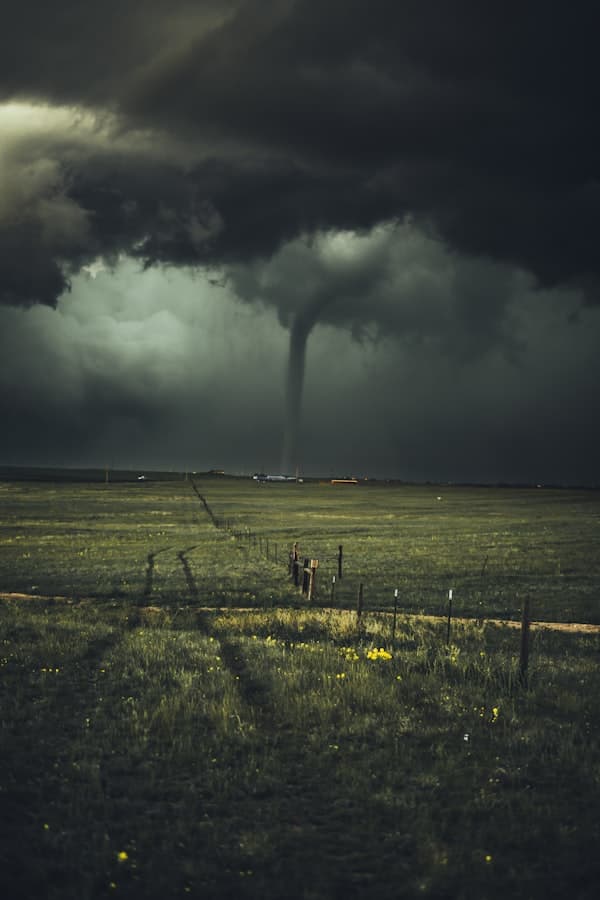
Climate
Flood, wildfire, hurricane, hail, and wind exposure.
See climate grade →
Hazard
Earthquake, landslide, sinkhole, and ground risks.
See hazard grade →
Neighborhood
Crime index, fire dept distance, emergency access.
See neighborhood grade →
Security
Alarm systems, locks, monitoring, and smart security.
Read the guide →
Animal
Pet liability, breed restrictions, and bite incidents.
Read the guide →
Coverage
Policy gaps, riders, deductibles, and exclusions.
Read the guide →
Financial
Premium health, payment history, and credit impact.
Read the guide →
Claim
Filing process, claim history, and carrier response.
Read the guide →Stay informed on what shifts your risk
Latest government regulations, carrier market moves, and risk alerts — updated weekly.
FEMA Updates Flood Maps for 12 Counties in Florida
New flood zone designations affect an estimated 45,000 properties. Homeowners may see changes to required flood insurance coverage.
Carriers Begin Returning to California's Homeowner Market After 2024 Pullback
One of the top-five U.S. insurers will resume new homeowner applications in 22 counties — the first major expansion since the 2024 industry-wide moratorium.
California Adopts Stricter Wildfire Building Codes for High-Risk Zones
New construction standards require ember-resistant vents and non-combustible roofing in Fire Hazard Severity Zones. Existing homes must comply by 2028.
Whether you're buying, owning, or renting.

Buyers
Know the real risks before you sign. Due diligence in 2 minutes.

Owners
Understand what carriers see. Find savings by fixing what they flag.

Renters
Check your landlord's property before you sign that lease.
Questions homeowners ask.
Yes. Your risk report is 100% free. We earn affiliate commission only if you buy a policy from a matched carrier — never from you.
No. We never sell your personal data to third parties. Your address is used solely to generate your risk report.
Our grades are derived from official government data sources including FEMA, USGS, and Cal Fire, updated regularly. They reflect the same data insurers use to price policies.
We pull from 6+ government and public data sources including FEMA, USGS, CAL FIRE, NIFC, US Census, and NOAA — the same sources carriers use to assess risk.
Agents sell policies. We don't. Our data comes directly from the same government sources carriers use — no commissions, no bias, just transparent risk grades.
Know your home's risk in 30 seconds.
Free report. No signup. 30 seconds.